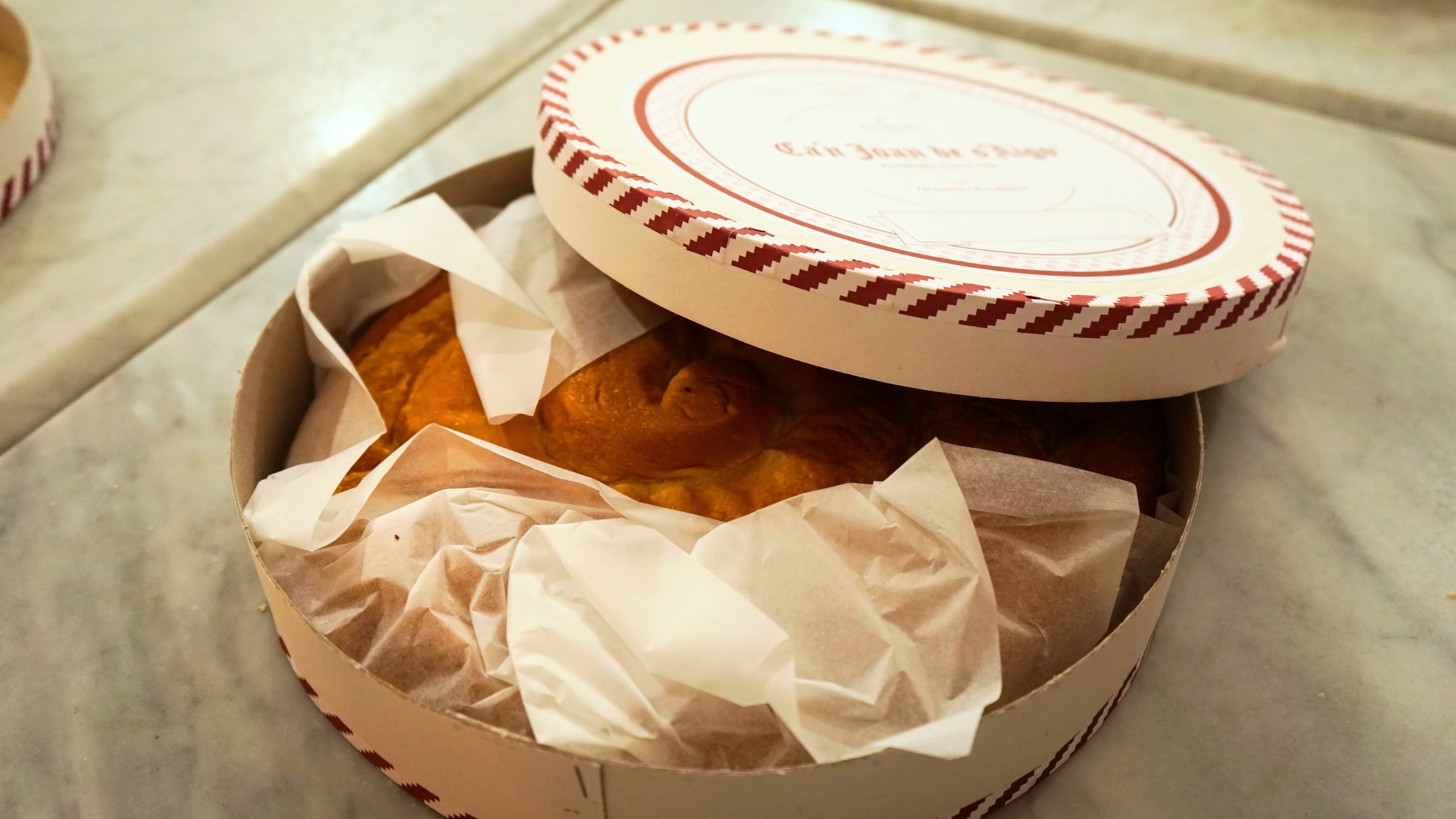
Many flavours don’t care about calendars. At Ca’n Joan de S’Aigo, robiols are one of them. Long associated with Holy Week in Mallorca, these small filled pastries are part of the island’s collective memory… and today many people enjoy them year-round. In this article we clearly explain why robiols were born as an Easter tradition, which myths surround them, the most common variants, and how you can enjoy them out of season without losing authenticity.
What are robiols and why are they linked to Holy Week?
Robiols are sweet turnovers typical of Mallorcan pastry, made with a delicate dough and usually a sweet filling. Their presence at Holy Week comes from religious and family traditions: at Easter celebrations and other religious festivals people traditionally prepared specific sweets tied to the harvest and homemade preserves (such as cabell d’àngel —pumpkin jam—, apricot jam or quince). That connection to celebrations and domestic preserves turned the robiol into a symbol of Easter on the island.
Myth 1 — “Robiols are only eaten at Holy Week”
Reality: historically they were seasonal, but today many people eat them all year. The reason is simple: they taste good, the technique can be reproduced, and there is demand outside March/April. In our shops robiols appear more often than before, especially in classic versions and when traditional fillings are available.
Myth 2 — “All robiols have the same dough and the same filling”
Reality: there is a family of variants. The three most popular versions you’ll commonly find are:
- Robiol de cabell d’àngel: the most traditional version, filled with cabell d’àngel (pumpkin jam) as the sweet heart.
- Robiol de requesó: filled with requesón (a fresh, slightly sweet cheese), creamier in texture.
- Robiol de codony or confitura: a quince or jam option, fruitier and sometimes seen in our displays.
Each bakery preserves its own way of working the dough and dosing the filling; those subtle differences are what define an authentic robiol versus a simple sweet turnover.
Myth 3 — “Trying robiols out of season means losing authenticity”
Reality: authenticity is not the same as seasonality. What preserves authenticity is quality of the ingredients, respect for the recipe and the craft in making them. If a robiol is made with good products (homemade cabell d’àngel or quality requesón) and artisan technique in the dough and baking, it keeps its identity whether you try it in August or December.
Why are robiols so loved? — sensory keys
Robiols combine a thin, crisp pastry (which can be slightly tender depending on the recipe) with a juicy filling that provides contrast. They work because of the texture/flavour play: a dusting of icing sugar outside, citrus or cinnamon notes in some recipes, and a balanced sweetness in the filling. They’re easy to share and strongly linked to family after-meal traditions.
Three recommended ways to enjoy them out of season
If you fancy trying robiols when it isn’t Holy Week, here are three approaches that work without betraying tradition:
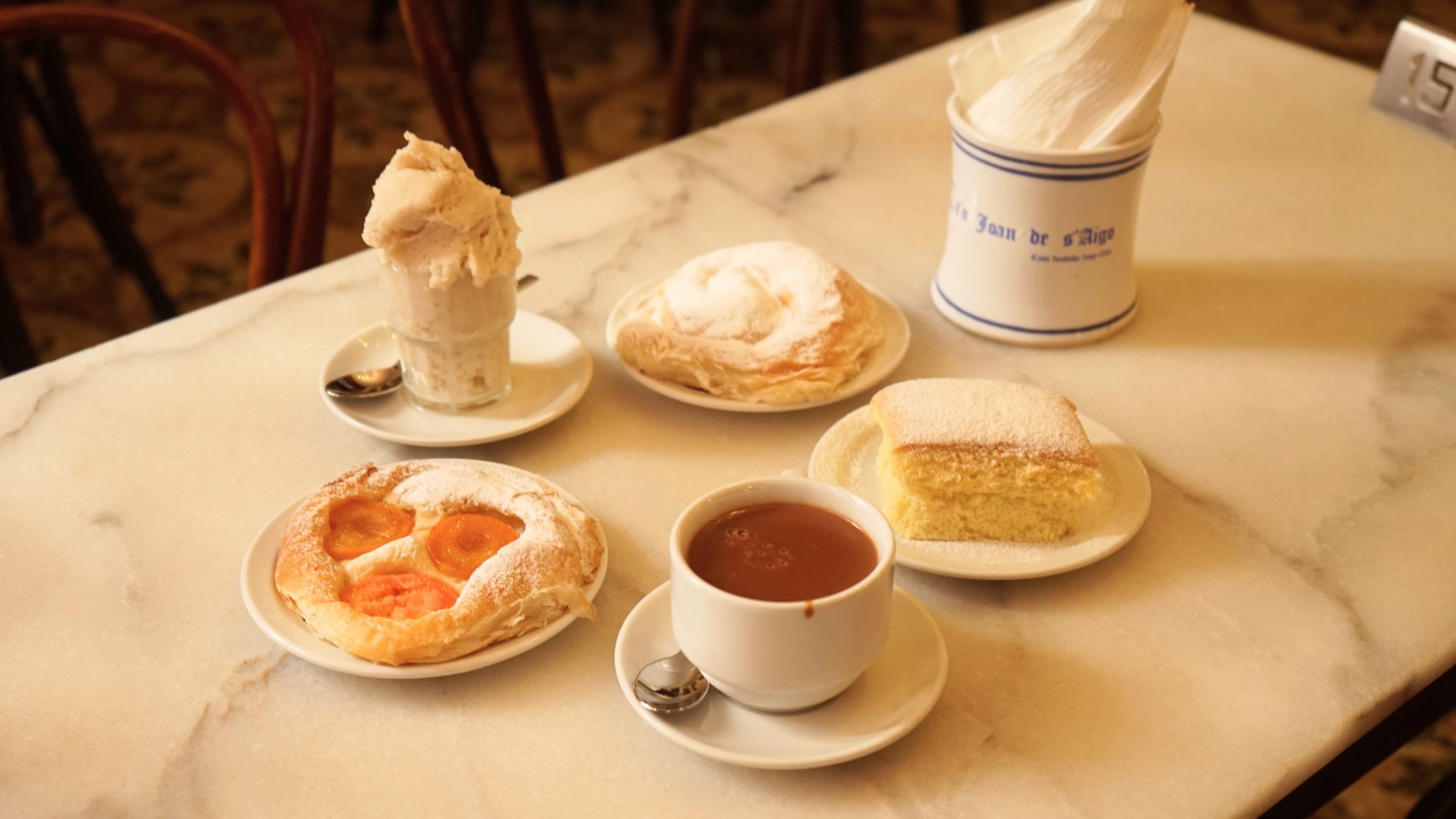
- Classic and comforting — with hot chocolate.
A warm robiol and a small cup of thick hot chocolate: texture and warmth contrast that recovers the traditional merienda experience. - Fresh and summery — with a glass of almond horchata.
In hot months, the combination of a sweet robiol + cold horchata is light and well balanced. - Modern but respectful — warmed and served with a scoop of almond ice cream.
For a contemporary touch, a warm robiol with a scoop of almond ice cream gives a thermal contrast and enhances the almond note common in local pastry.
At Ca’n Joan de S’Aigo you’ll find robiols at the times we make them; ask at the counter about availability and our serving suggestions.
Robiols on our menu and in the island’s memory
At Ca’n Joan de S’Aigo we value tradition and craft: robiols are part of that heritage. We don’t treat them as a mere seasonal novelty; we take care when we make them, respecting times and proportions. Because a well-made robiol is, besides a sweet, an act of memory.
Come and try them at any of our Palma locations: Can Sanç (C/ Can Sanç, 10), Baró de Santa Maria del Sepulcre (Plaça Baró de Santa Maria del Sepulcre, 5) or Porta de Sant Antoni / Sindicat (C/ Sindicat, 74). Ask about the robiols of the day and the best way to enjoy them — we’ll serve you with the same care as always.